Solar Installation in Gujranwala: 2026 ROI, Payback and Maintenance Explained
A solar installation in Gujranwala is no longer a question of if it pays off, but how fast. With 2026 grid tariffs at record highs and panel prices at historic lows, the return on investment has compressed to just a few years for most households. Yet many buyers fixate on upfront cost while ignoring the figures that actually matter: payback period, lifetime return, and the maintenance habits that protect that return. This guide walks through all three with concrete numbers.
Think of rooftop solar less as an expense and more as prepaying two decades of electricity at a steep discount. Once you frame it that way, the economics become impossible to ignore.
How to Calculate Your Real Payback Period
Payback is simply system cost divided by annual savings. The trick is calculating annual savings honestly, based on the units you actually offset at your real tariff slab, not a flattering average.
Consider a representative Gujranwala home that installs a 10 kW system for a 2026 solar installation in Gujranwala. If it generates around 1,300 units a month and offsets electricity priced at a high protected-category tariff, the annual saving comfortably crosses several hundred thousand rupees. Against a turnkey cost near Rs 2.1 million, payback lands in roughly the three-and-a-half to four-year range.
What Shortens or Lengthens Payback
- Shortens it: high daytime consumption, running ACs in summer, a premium tariff slab.
- Lengthens it: mostly night-time usage, shading, an oversized export-heavy system under reduced 2026 buyback rates.
The homeowners who commission a quality solar installation in Gujranwala and consume most of their generation in daylight see the fastest break-even by far.
Lifetime Return Over 25 Years
Payback is only the beginning. After break-even, every unit your panels produce is essentially free electricity. A quality module degrades only about 0.4% per year, so a system installed in 2026 still delivers more than 90% of rated output in the 2040s.
| Year | System Status | Cumulative Position |
|---|---|---|
| 0 | Installed (10 kW) | Full cost paid |
| 4 | Payback reached | Break-even |
| 10 | ~96% output | 6 years of free power banked |
| 25 | ~88% output | 20+ years of net savings |
Across a 25-year horizon, a well-built system typically returns four to six times its original cost in avoided electricity bills, a return few conventional investments match with such low risk.
Does the Installation City Change Returns?
Returns depend on sunshine, tariff, and install quality. Gujranwala and nearby Sialkot share similar irradiance, so the economics are comparable. A homeowner comparing a solar company in Sialkot against Gujranwala options will find payback periods within months of each other, provided build quality is equal.
The bigger variable is always workmanship. A cheap installation that fails in year three destroys the entire ROI model, which is why vetting the installer protects your numbers more than any tariff change.
The Maintenance That Protects Your ROI
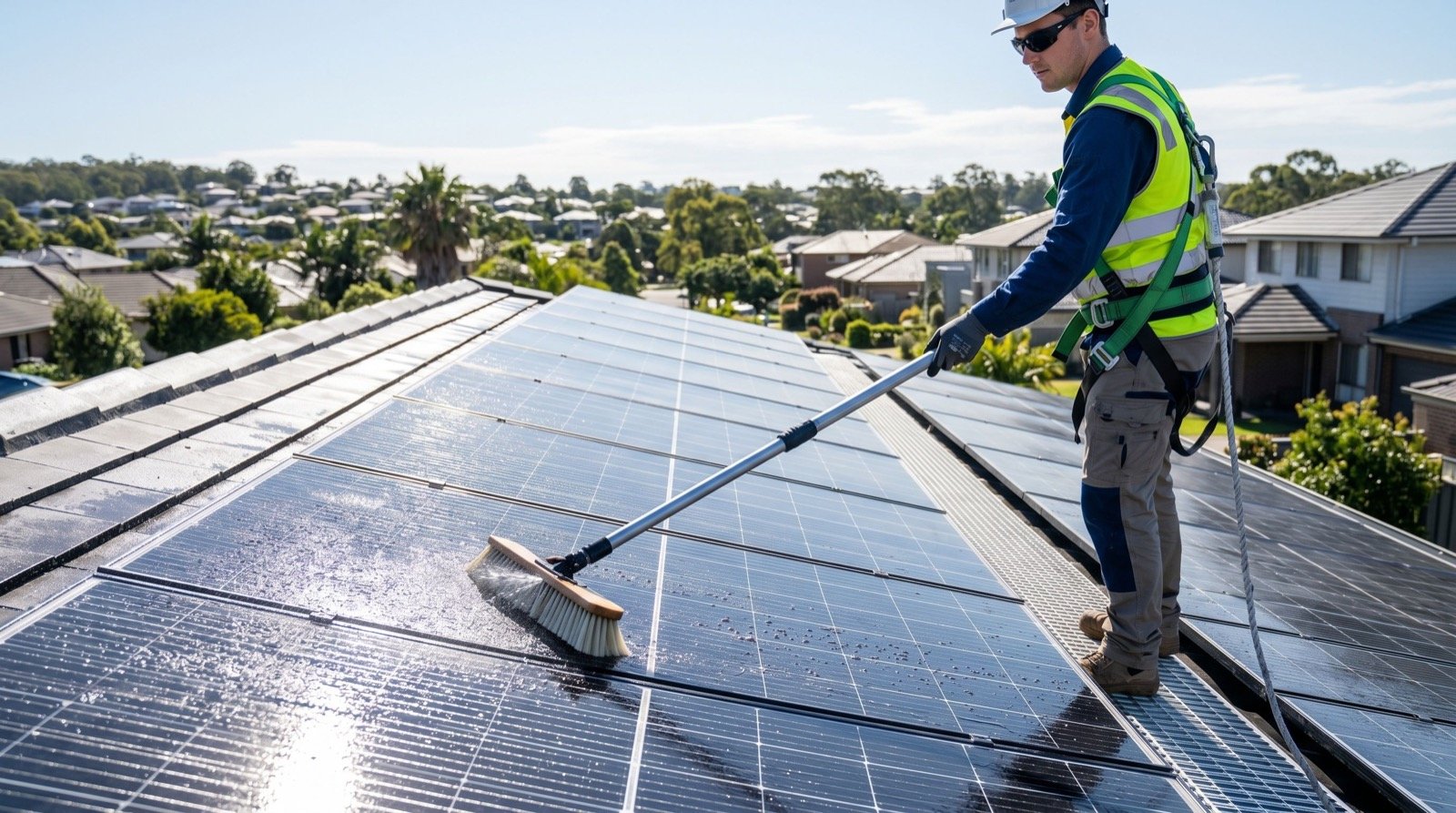
Solar is low-maintenance, not zero-maintenance. Neglect quietly erodes returns through soiling and undetected faults. Follow this routine:
- Rinse panels every two to three weeks in the dry, dusty season.
- Check your inverter’s monitoring app monthly for output dips.
- Inspect mounting bolts and cable glands once a year.
- Clear any new shading from growing trees or new construction.
- Service the inverter per the manufacturer’s schedule.
The U.S. government’s own guidance via ENERGY STAR underscores that consistent upkeep and monitoring keep efficiency high over a system’s life, and the same principle applies squarely to Pakistani rooftops.
Financing and Cash Flow in 2026
Several banks now offer solar financing, letting the monthly instalment roughly match, or fall below, your old electricity bill. That turns solar into a cash-flow-positive decision from month one for many families. If you pay cash, the ROI is simply faster and cleaner.
Whichever route you choose, insist on working with trusted professionals who document the system properly, because resale value and warranty claims both depend on that paperwork existing.
Common ROI Mistakes to Avoid
Three errors wreck otherwise solid returns. First, oversizing for export under 2026’s lower buyback rates, which lengthens payback. Second, choosing a no-name inverter that fails outside warranty. Third, skipping maintenance until output has quietly dropped 15%. Avoid all three and your projected returns hold up in the real world.
A Worked Example You Can Adapt
Abstract percentages are easy to ignore, so here is a concrete scenario you can map onto your own bills. Picture a Gujranwala family spending around Rs 55,000 a month on electricity, most of it driven by summer air conditioning during daylight hours.
They install a 10 kW on-grid system for roughly Rs 2.1 million. It offsets the bulk of their daytime consumption, cutting the annual electricity spend dramatically. Within about four years the accumulated savings equal the installation cost. From year five onward, the same panels keep slicing tens of thousands off every monthly bill while the family simply enjoys the lower cost.
Adjust the figures to your own usage and the structure holds: higher daytime consumption means faster payback, while mostly night-time usage pushes break-even further out. Run your own twelve-month bill history through this template before committing to a system size.
How Inflation Strengthens the Case
One factor buyers routinely overlook is that electricity tariffs rarely fall. As grid rates climb over the coming years, the value of each unit your panels produce rises with them. In effect, solar hedges you against future tariff hikes, which quietly improves your real return beyond the conservative numbers in any initial projection.
- Fixed solar cost today versus rising grid cost tomorrow.
- Savings grow in rupee terms as tariffs increase.
- Your payback projection is likely conservative, not optimistic.
Frequently Asked Questions
What is a realistic payback period for solar in Gujranwala?
For a well-sized on-grid system with strong daytime consumption, expect roughly three and a half to four years at 2026 tariffs. Heavy AC users may reach break-even sooner.
How long do solar panels keep generating?
Quality panels carry 25–30 year performance warranties and degrade under half a percent yearly, so meaningful generation continues well beyond the payback point for decades.
Does maintenance really affect my return?
Yes. Dust and undetected faults can cut output by double digits. A simple cleaning and monitoring routine preserves the savings your ROI calculation assumed.
Is financing worth it versus paying cash?
Financing can make the monthly instalment match your old bill, giving positive cash flow immediately. Paying cash simply delivers a faster, cleaner return.
Final Word
A solar installation in Gujranwala in 2026 offers one of the most dependable returns available to Pakistani homeowners: a three-to-four-year payback followed by two decades of nearly free power. Protect that return by sizing the system for daytime use, choosing quality hardware and a reputable installer, and keeping up a light maintenance routine. The numbers reward diligence generously.